
As a termite repair specialist, it is helpful to know the link between termite activity, risk and associated damage that termites cause to your home/property.
Based on general industry research and estimates, between 1 in 3 and 1 in 4 homes will be impacted by termites at some point. This information comes from research reports such as CSIRO Termite Incidence Survey & Hazard Map data (Cookson & Trajstman 2002) as well as general information from QBCC, and the broader termite and pest treatment companies that operate in the areas we service.
However, as repair specialists, our experience over some 20 years is that repairs to homes that have been previously infested by termites is light years behind. There are a variety of reasons for this, and those reasons are the focus of other news articles. First, let’s review some resources that highlight the termite risks present.
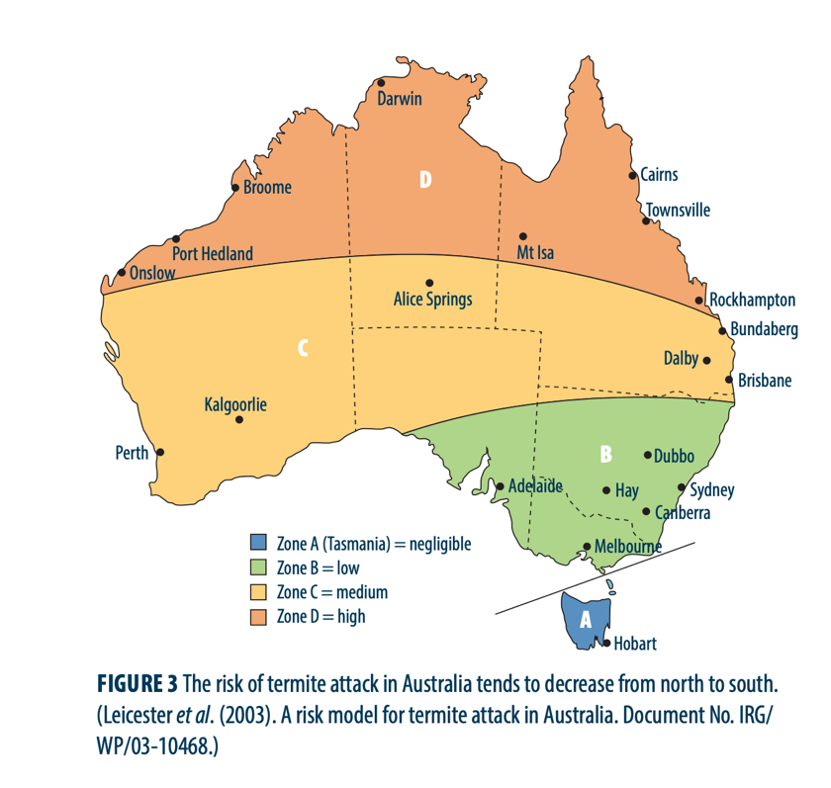
First, and of interest, is the CSIRO termite risk map. Given where we are based in Queensland, termite risk is elevated the whole state. Report is found here. Why does this matter? Because …with high termite risk, equals high termite activity. High termite activity means elevated risk of termite damage once any infestations are treated.
This map of Australia shows that Queensland is clearly a high risk area and every property owner should be aware of the risks and potential for damage if an infestation occurs. The QBCC have this excellent summary for homeowners explaining termite protection and maintenance activities. Additional information from QBCC is also located in this termite management system homeowners document
Where there have been termites to a home, there is likely termite damage. QBCC indicates that ineffective maintenance and inspections, poor maintenance, are not considered construction defects (see below link for more insights) and this leads to a reasonable interpretation that if homeowners successfully treat termite infestations, hidden or non-hidden termite damage also needs to be repaired.
One of the key reasons to act on repair works as soon as possible after treatment is completed is that, if left un-repaired, risk to home structures can increase – potentially elevating repair costs.
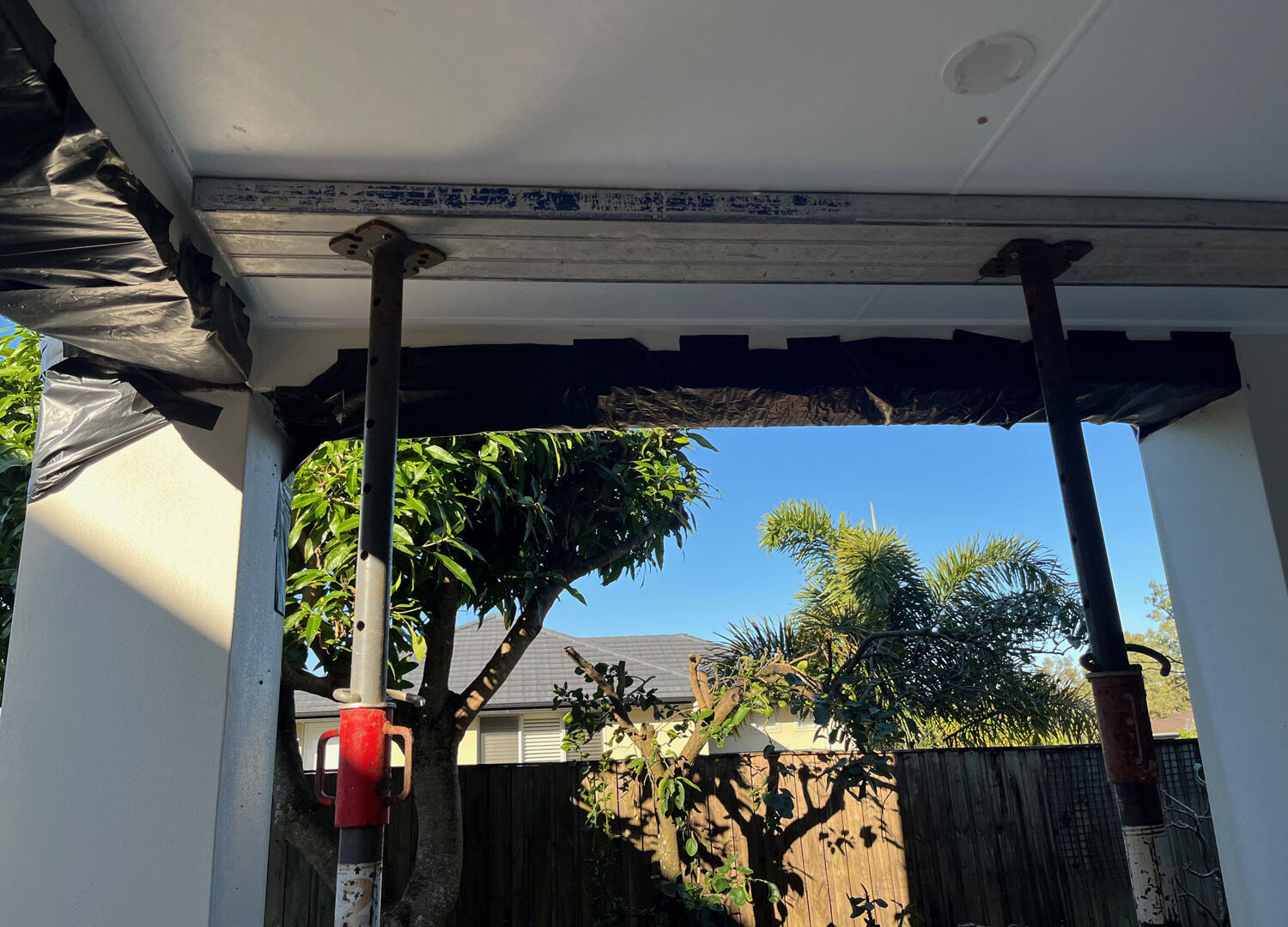
As specialists within the termite damage repair specialisation, we not only repair the damage but incorporate risk mitigation aspects into repair works. This includes using termite resistant materials, and collaborating with relevant pest companies to help property owners impacted by termites move forward with confidence.
As licensed specialist builder and repairer of termite repairs, we do see properties with very old damage – often during property sales. A property sale is stressful enough so we try to help reduce stress and impact on house sales by professionally evaluating and repairing all damage, especially structural.
Also check out this guide standards tolerances document if you are very interested in the detail!
Some key research resources –
Termite Incidence Survey & Termite Hazard Map (Cookson & Trajstman, 2002) – CSIRO surveyed 5,122 dwellings across Australia in the late 1990s (“Termite Tally”) and analysed how often termites were found inside houses, by age, construction type etc.
A Risk Model for Termite Attack in Australia (Leicester, Wang & Cookson, CSIRO) – a paper that built a probabilistic model of termite attack based on the Termite Tally data (~5000 houses).