
Types Of Termites
About Termites
Understand more about Termites and you can understand more about termite damage. Termites can be categorised into three main types: dampwood, drywood, and subterranean. Among these, subterranean termites pose the greatest threat to the structural integrity of buildings, making them a significant risk to your most valuable investment – your home.
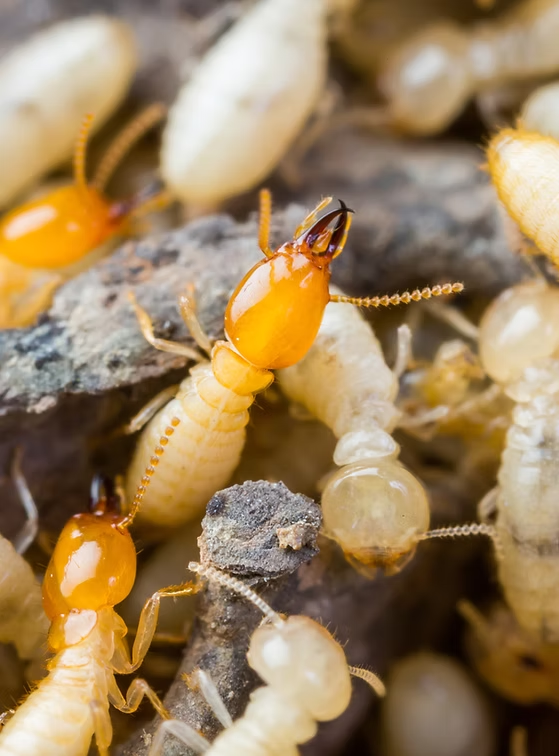
Differentiating termites from ants is essential. Termites have tube-like bodies and straight antennae, while ants have segmented bodies with narrow waists and bent antennae. Termites are usually white or light brown, whereas ants are darker.
Termites thrive on cellulose found in all plant materials. While not all termites feed on wood, those that do may target your home for sustenance. They travel through soil from nests possibly hundreds of metres away, building mud tunnels to access your house. Remarkably, they can navigate cracks as thin as paper.
Termites’ destructive capability stems partly from the specialised roles within their colonies. Their life cycle commences with eggs, progressing to larvae upon hatching. These larvae then develop into termite nymphs, which can further mature into three distinct castes: workers, soldiers, or reproductive termites (including the king and queen).
It therefore makes sense that termites can cause damage and that damage caused can be structural in nature and because of the small spaces they travel within can also be challenging to both treat and locate all the damage they create.
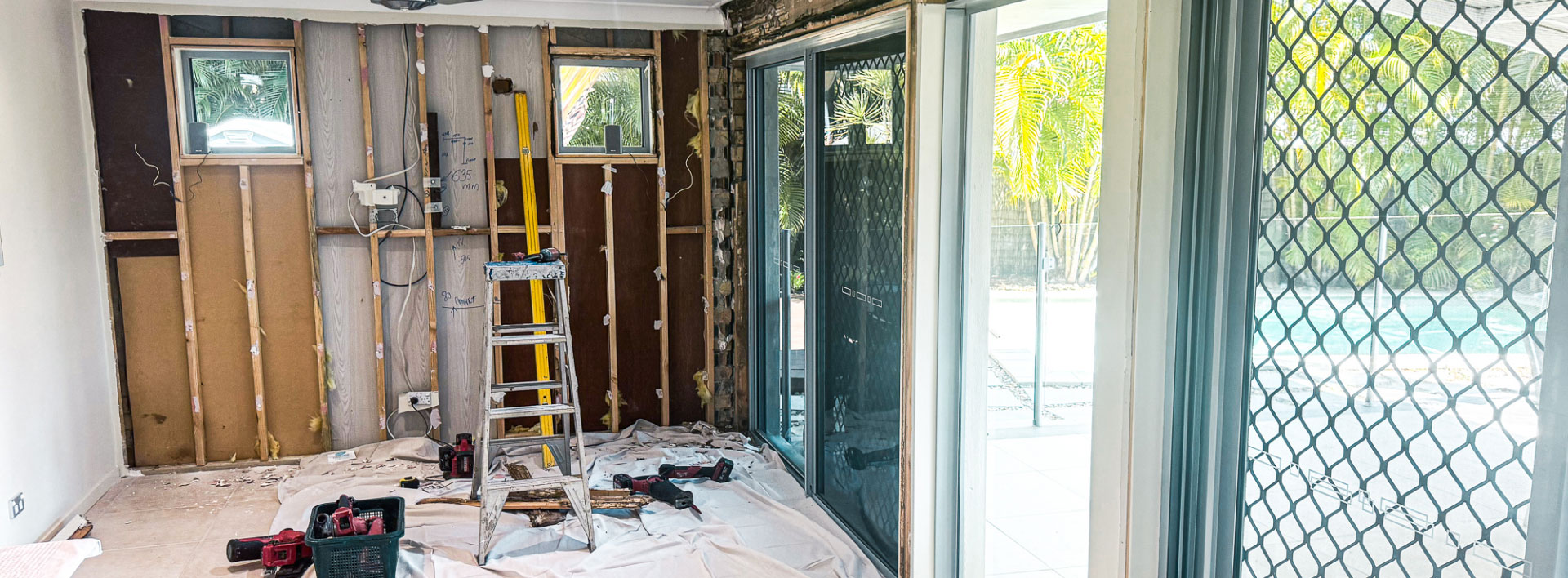
Termite damage should be repaired after all live termites are treated, as – if disturbed – they can go to ground and reappear in the future potentially lulling you into a false sense of security. However, despite best efforts it can be possible for repair works to uncover live termites making professional termite treatment and repair works essential to operate closely together.