

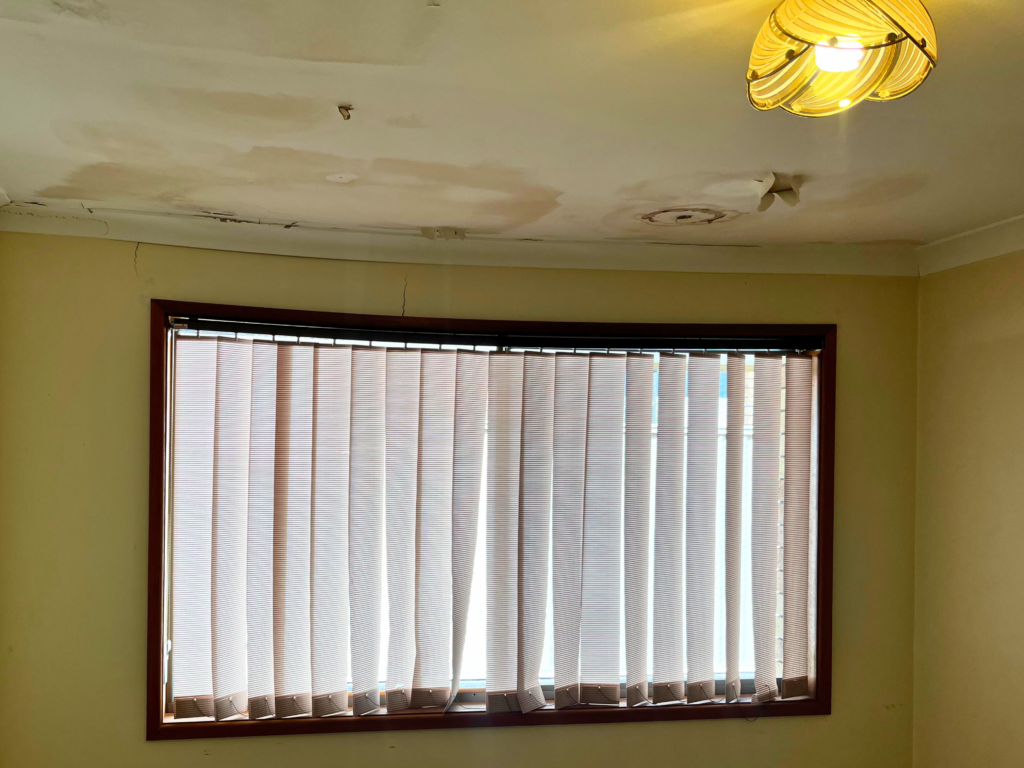
Structural termite damage can pose serious risks to the safety and stability of your home. Learning how to tell if termite damage is structural often raises immediate concerns about whether the affected timber is merely cosmetic or whether critical structural elements have been compromised. While some termite activity may only impact decorative timber features, structural termite damage can weaken essential components that support your home. Understanding the difference is important when determining the urgency of repairs and protecting your property’s long-term value.
What Is Structural Termite Damage?
Structural termite damage occurs when termites attack timber components that contribute to the strength and stability of a building. These may include wall framing, roof trusses and rafters, floor joists, bearers and stumps, load-bearing beams, and structural posts. When these components become weakened, the safety and performance of the home may be affected.
Cosmetic vs Structural Damage
Not all termite damage is structural.
Cosmetic Damage
Cosmetic damage generally affects skirting boards, architraves, door frames, window trims, and decorative timber features. While these areas may require replacement, they usually do not impact the structural integrity of the building.
Structural Damage
Structural termite damage affects timber responsible for supporting loads throughout the home. When termites consume these elements, repairs often require specialist builders and, in some cases, engineering advice. If you are figuring out how to tell if termite damage is structural, remember that extensive framing issues or load-bearing timber replacement usually require a licensed professional. To safely restore your home’s integrity, you can view licensed residential building services that specialize in major structural rectification frameworks. Identifying structural termite damage early can help prevent more extensive and costly repairs later.
Common Warning Signs of Structural Termite Damage
Sagging Floors
Floors that feel uneven, springy, or sagging underfoot may indicate damage to subfloor timbers and should be investigated promptly.
Cracked Walls
Unexpected wall cracks can sometimes occur when termite-damaged framing begins to shift or settle.
Doors and Windows Sticking
When structural timber moves due to termite activity, doors and windows may become difficult to open or close properly.
Roof Line Changes
In severe cases, termite damage to roof framing may cause visible sagging or uneven roof lines.
Hollow-Sounding Timber
Timber that sounds hollow when tapped may have been extensively consumed internally, even if the surface appears intact.
Why Structural Damage Is Often Hidden
One of the biggest challenges with structural termite damage is that it frequently occurs inside timber components. Termites typically leave a thin external layer untouched while consuming the timber from the inside out. As a result, significant damage can remain undetected for months or even years before visible signs appear.
Because termite activity is often concealed, homeowners may not realise the extent of the problem until structural movement or deterioration becomes noticeable. Professional inspections play a critical role in identifying hidden termite damage before it progresses further.
When an Engineering Assessment May Be Needed
For substantial structural termite damage, a structural engineer may be required to assess:
- Load-bearing capacity of affected timber
- Timber replacement requirements
- Structural reinforcement needs
- Compliance with Australian building standards
Engineering reports provide builders with a clear scope for safe and compliant repairs, ensuring the home remains structurally sound after restoration works are completed.
The Importance of Acting Quickly
The longer structural termite damage remains unrepaired, the greater the risk of further deterioration. Delaying repairs can allow weakened timber to continue deteriorating and may increase repair costs over time.
Prompt assessment and repair can:
- Restore structural integrity
- Prevent secondary building damage
- Protect property value
- Improve occupant safety
- Reduce the likelihood of more extensive reconstruction
How Specialist Termite Repair Builders Help
Specialist termite repair builders understand how to identify structural termite damage and implement repairs that meet Australian building standards. Repairs may include timber replacement, structural reinforcement, subfloor reconstruction, and roof framing repairs. Backed by the comprehensive residential construction and structural building services at Craig Rynne Constructions, our team ensures that every compromised element is rebuilt to code.
Conclusion
Not all termite damage is structural, but determining whether structural termite damage is present requires professional assessment. If you notice sagging floors, cracked walls, sticking doors, roof line changes, or hollow-sounding timber, it is important to arrange an inspection as soon as possible.
Need Help Repairing Termite Damage?
If termite damage has been discovered in your home, our specialist builders can assess the extent of the damage and provide a clear plan for repairs. All Termite Repairs services homes across Brisbane, Ipswich, the Gold Coast, and the Sunshine Coast.